
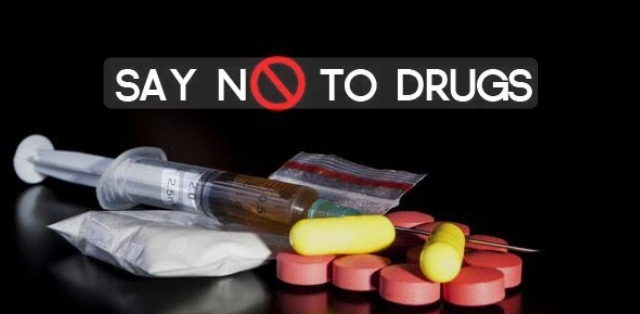
Drug abuse has become one of the pressing issues among youth, most especially students in higher institutions such as universities and colleges in Nigeria, and has affected them in serious aspects of their lives academically, socially, physically, and most especially their psychological well-being. Young people who should be preparing themselves for a productive future are increasingly experimenting with substances such as cannabis, tramadol, codeine-based syrups, methamphetamine, and other illicit drugs. What often begins as curiosity or an attempt to fit in with friends can quickly develop into a habit or a daily routine.Students often become involved in drug abuse due to several factors. Peer pressure remains one of the strongest influences. Many students begin using drugs simply because they want to be accepted by their friends or to avoid being seen as different.Academic stress is another major contributing factor. Faced with examinations, assignments, financial difficulties, and family expectations, some students mistakenly believe that drugs will help them stay awake, improve their concentration, and relieve anxiety. Economic hardship and emotional struggles also play significant roles. Students dealing with depression, loneliness, trauma, or family problems may turn to drugs as a temporary escape from emotional pain. Unfortunately, instead of solving their problems, drug abuse often creates even greater challenges.
The effects of drug abuse extend far beyond the individual,Students who abuse drugs often experience declining academic performance, poor concentration, absenteeism from lectures, memory loss, and disciplinary problems. As addiction worsens, many struggle to maintain healthy relationships with their families, friends, and society, putting both their education and future at risk. Students who abuse drugs often experience declining academic performance, memory loss, poor concentration, absenteeism from lectures, and disciplinary problems.Drug abuse does not only affect students academically; it also has serious health consequences. It can damage vital organs such as the brain, liver, kidneys, and heart, while increasing the risk of mental health disorders such as anxiety, depression, and psychosis. Addressing drug abuse requires more than individual effort, it demands collective action. Parents should maintain open communication with their children and pay close attention to changes in their behavior. Schools should strengthen their counselling services and organize regular awareness campaigns to educate students about the dangers of substance abuse.
Government agencies also have a vital role to play. Healthcare professionals, religious institutions, community organizations, and the media must work together to educate young people on the harmful effects of drug abuse and encourage those struggling with addiction to seek help.In addition, law enforcement agencies must continue to enforce drug control laws strictly and work to reduce the availability of illegal drugs, especially around schools and higher institutions. Through education, support, and effective law enforcement, society can help protect young people from the devastating consequences of drug abuse and secure a brighter future for the next generation.
student should understand that truth success cannot be build based on substance seeking help from trusted friends counselors lecturer health professionals during difficult time


Leave a Reply